











We have the technology (to quote The Six Million Dollar Man), but commercial tools for exploring, assisting, and augmenting our bodies really can approach a price tag of $6 million. Medical and assistive tech manufacturers must pay not just for R&D, but for expensive clinical trials, regulatory compliance, and liability — and doesn’t help with low pricing that these devices are typically paid for through insurance, rather than purchased directly. But many gadgets that restore people’s abilities or enable new “superpowers” are surprisingly easy to make, and for tiny fractions of the costs of off-the-shelf equivalents. MAKE 29, the “DIY Superhuman” issue, explains how.
https://makezine.com/29
Buy or Subscribe to MAKE:
http://www.makershed.com/SearchResults.asp?Cat=25

ADVERTISEMENT
Join Make: Community Today
From the Shed: New Arrivals


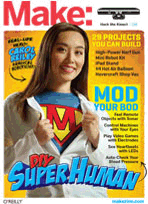
We have the technology (to quote The Six Million Dollar Man), but commercial tools for exploring, assisting, and augmenting our bodies really can approach a price tag of $6 million. Medical and assistive tech manufacturers must pay not just for R&D, but for expensive clinical trials, regulatory compliance, and liability — and doesn’t help with low pricing that these devices are typically paid for through insurance, rather than purchased directly. But many gadgets that restore people’s abilities or enable new “superpowers” are surprisingly easy to make, and for tiny fractions of the costs of off-the-shelf equivalents. MAKE 29, the “DIY Superhuman” issue, explains how.

On newsstands now! >> Buy or Subscribe
Subscribe to the MAKE Magazine Extras podcast in iTunes, download the m4v video directly, or watch it on YouTube or Vimeo.
8 thoughts on “MAKE Volume 29: DIY Superhuman”
Leave a Reply

ADVERTISEMENT
Join Make: Community Today

exclent magzine
Lulz, augments.
This isn’t going to get me hooked on Neuropyzene, is it?
Any idea when subscribers will get these?
Should be in the mail any day….