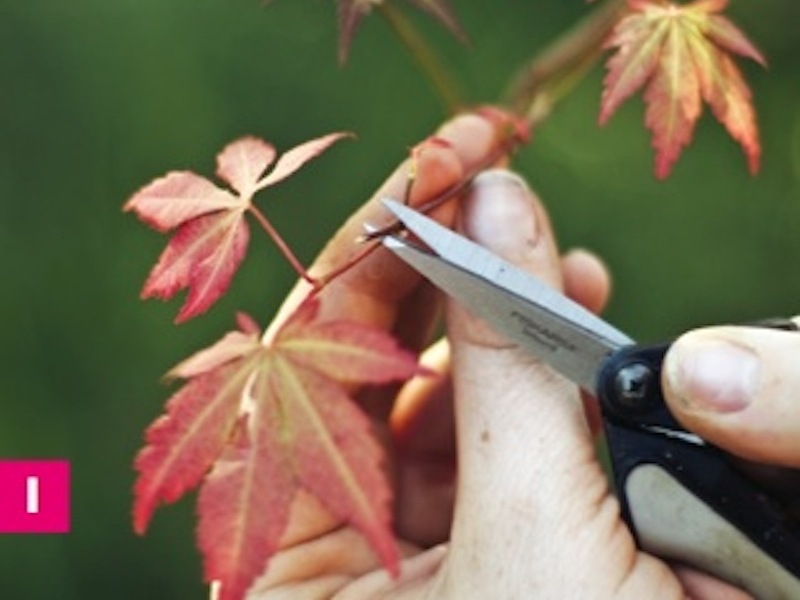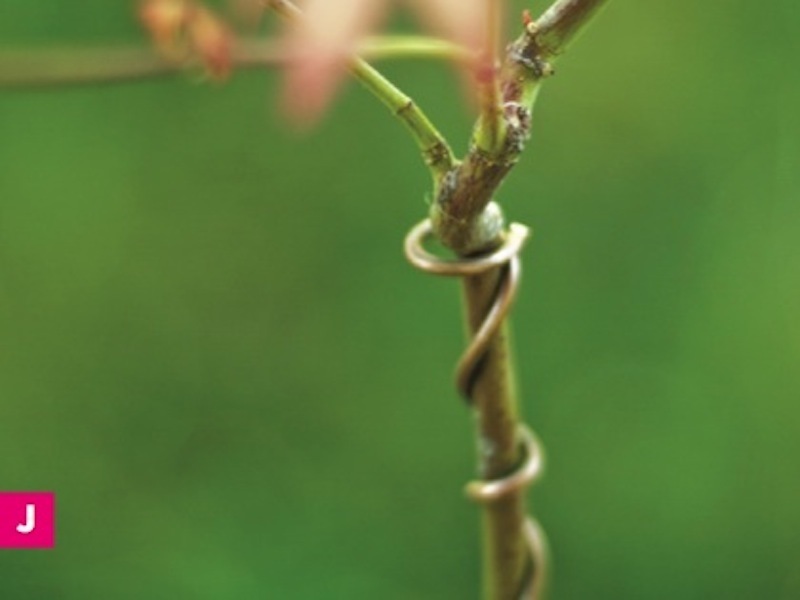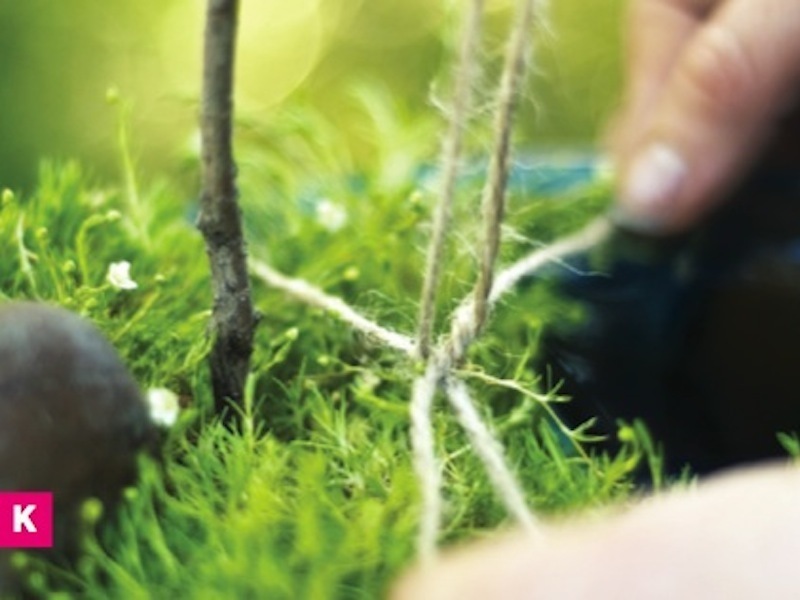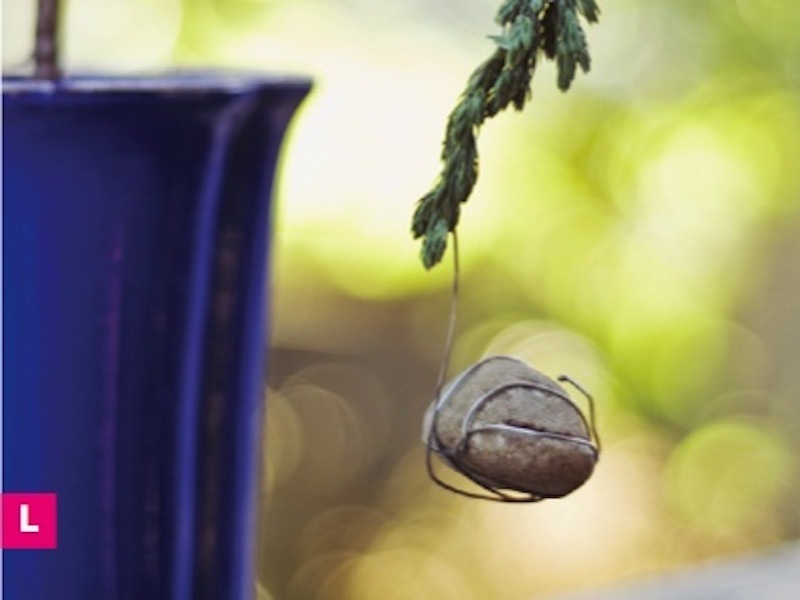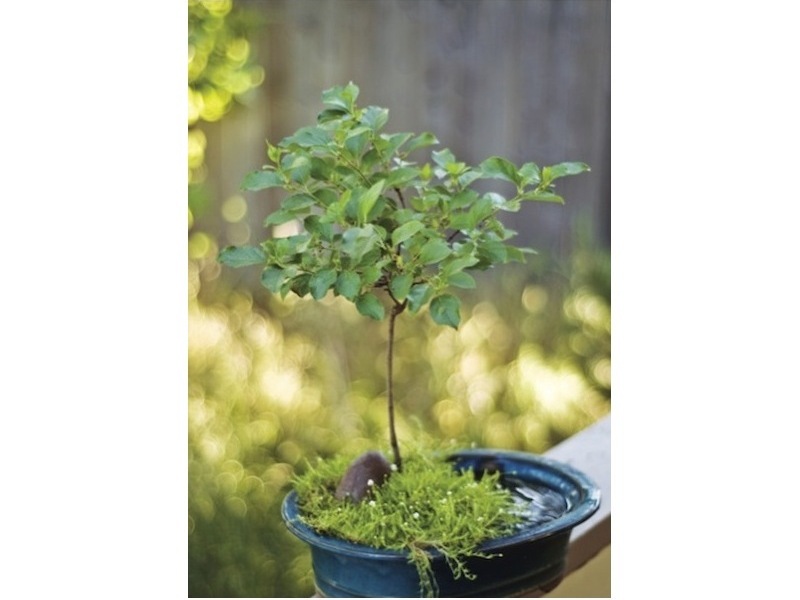



Bonsai plants are, in their essence, little trees. Yet the art of bonsai has a much greater scope: it strives to replicate nature. It is an art that emulates the elements and their action on living plants. A tree is just a sapling until the roots grow, the water comes into the soil, and the forces of sun, wind, and gravity sculpt it into shape. The bonsai artist uses a variety of tools to replicate these effects and create a perfect miniature version of life on Earth.
Watching your tiny tree as it cycles through the seasons, going dormant, pushing out leaf buds, blossoming, and then producing fruits or berries is very rewarding, and a wonderful way to connect with the natural world.
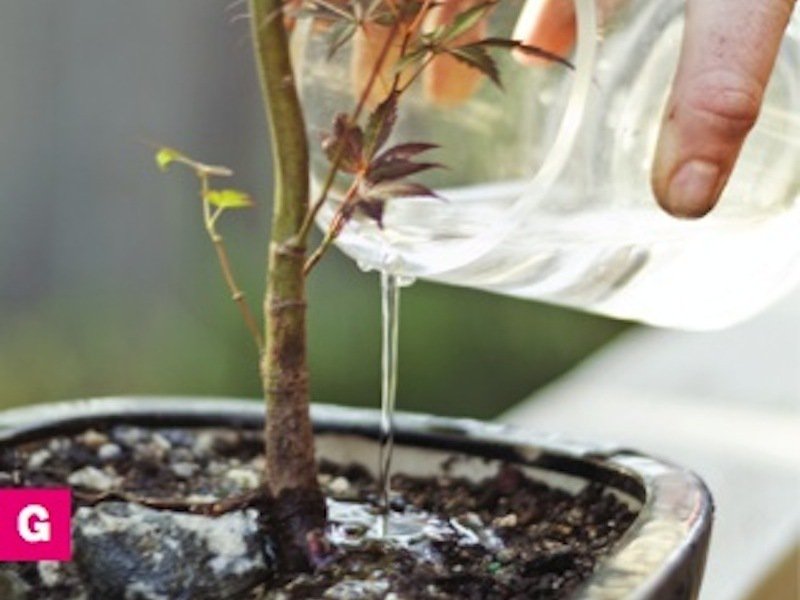
The art of growing bonsai is well adapted to the urban gardener. These plantings require less water, less soil, and less square footage. But just because they’re diminutive, doesn’t mean that they don’t need great amounts of care and tending. Regular waterings are the most essential. Tasks such as repotting and restyling are done when needed, as well as pruning, training, and shaping. These chores are not without reward. Because bonsai can recreate complete landscapes, the impression of grand natural space exudes from these small displays.
Aesthetics dominate the art of bonsai. Many stringent rules exist for the purists dedicated to this art. Ancient standards declare that certain trees are to be grown in certain shapes and planted into certain pots. But the modern, creative gardener follows her own path toward beauty. Just be sure to never lose sight of the visual appeal and design of your plantings.
The more you learn about bonsai, the more you realize what you have yet to learn. To properly cultivate a design could take decades. From the beginning, art is made and life is growing, but the passage of time is the core of bonsai. Many experts in the field have been growing bonsai 50 years or more. This is a simple primer to help you establish your roots.