Make: Projects

Chemical Woodburning

Don't have an iron? Use a stamp!

  • By Sean Michael Ragan
  • Category: Science, Woodworking
  • Time Required: 1 hour
  • Difficulty: Easy
Chemical Woodburning

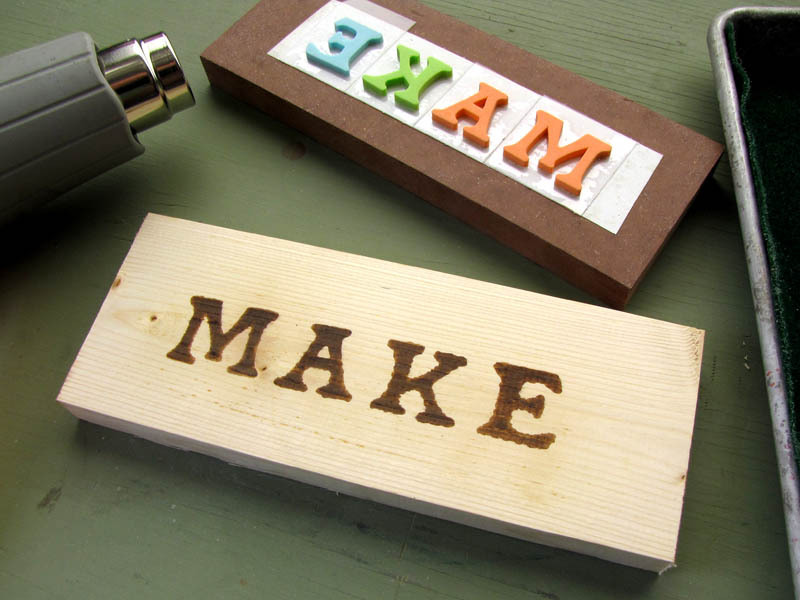
If you want to apply a maker’s mark or other repeated pyrograph to wooden goods, but can’t justify the expense of a custom branding iron, an indistinguishable effect can be achieved by applying a strong solution of ammonium chloride, for instance using a foam rubber stamp, followed by relatively mild heat.

On heating, ammonium chloride decomposes into ammonia gas and strong hydrochloric acid. Ammonia diffuses away into the atmosphere, leaving the strong acid behind, which burns the wood. The resulting chemical burn is identical to a heat burn in most respects.

This process sounds nastier than it is, in practice, and although prudence dictates erring on the side of caution and working with plenty of ventilation, the process does not produce a noticeable smell either of ammonia or of HCl. The only detectable odor is burning wood.

Steps

Step #1: Prepare stamp

Next
Chemical WoodburningChemical WoodburningChemical WoodburningChemical Woodburning
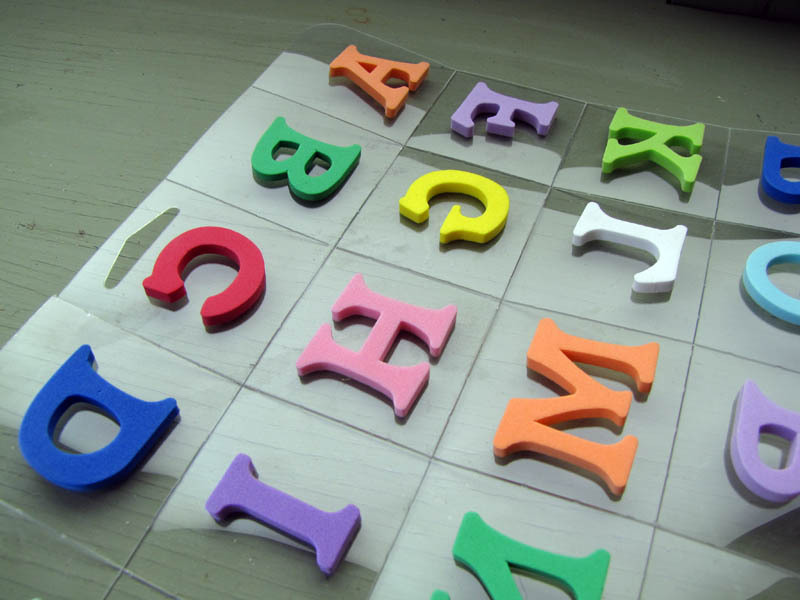
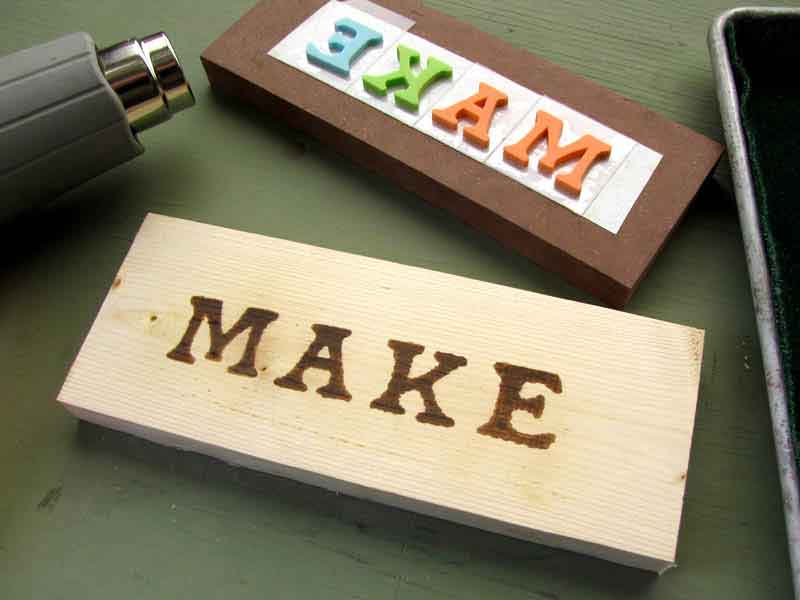
  • For my simple "MAKE" stamp, I used these plastic-backed 1.5" foam-rubber letters from a hobby store.
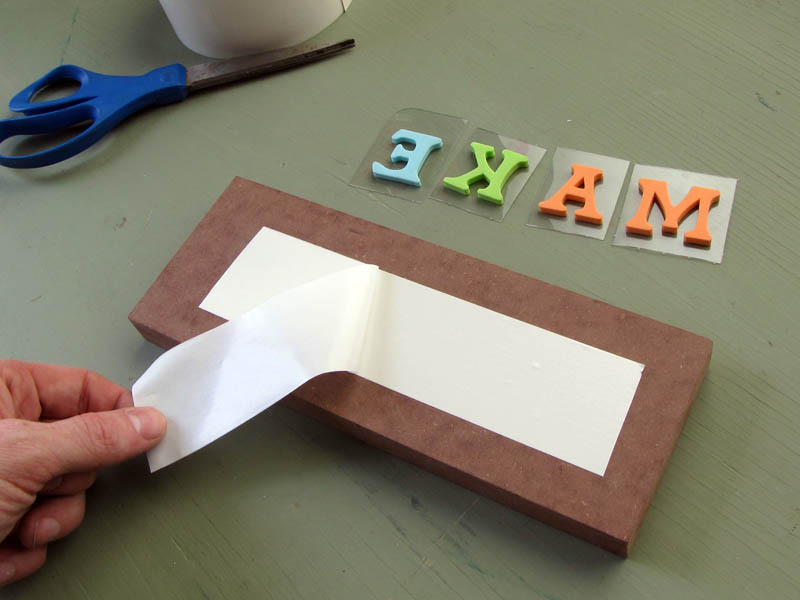
  • Apply a strip of carpet tape to a suitably-sized piece of MDF, plywood, or other flat back. Remove the tape backing.
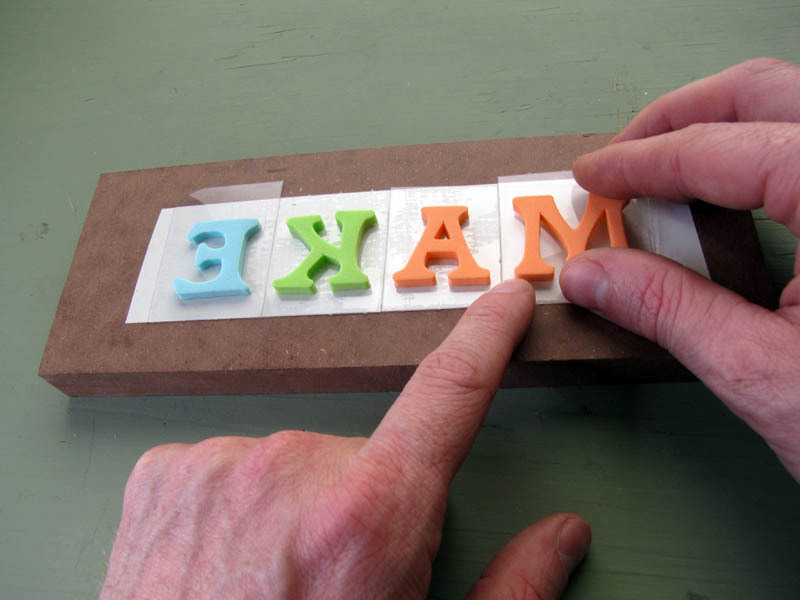
  • Arrange the letters as needed and push down the backing around each to fix it in place.

Step #2: Measure and add solid

Next
Chemical WoodburningChemical WoodburningChemical Woodburning
  • Although the photo shows me working with bare hands, you should err on the side of caution and wear latex or nitrile gloves, as well as goggles, from this point onward in the project.
  • Take a piece of paper and fold it in half lengthwise.
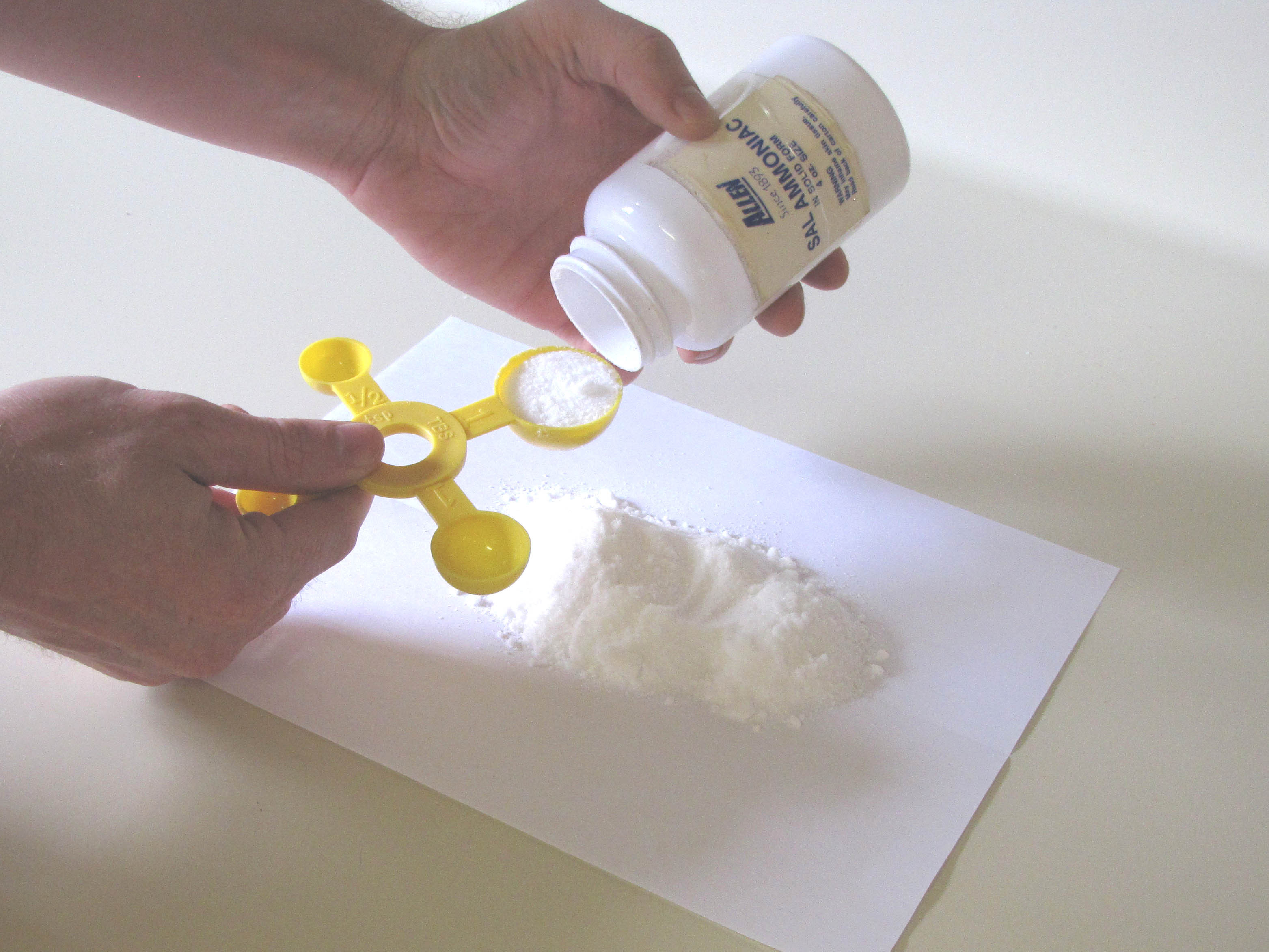
  • Lay it out on your work surface, then measure 5 level tablespoons of ammonium chloride onto the fold.
  • Gather up the paper from the long edges and form a channel, pouring as shown, using the fold to direct the solid into the mouth of the bottle.
  • If you want more or less than 500 mL of "ink," the formula is 1 tablespoon ammonium chloride per 100 mL water.

Step #3: Add water and mix

Next
Chemical WoodburningChemical WoodburningChemical WoodburningChemical Woodburning
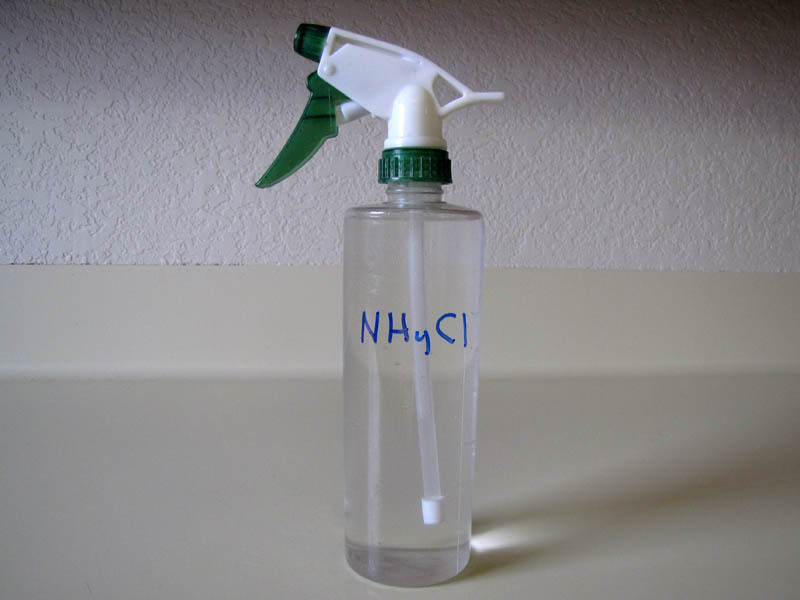
  • Pour 500 mL of warm water into the bottle on top of the solid ammonium chloride. Tap water should be fine.
  • Put the sprayer, or a matching cap, on the bottle and tighten it down securely.
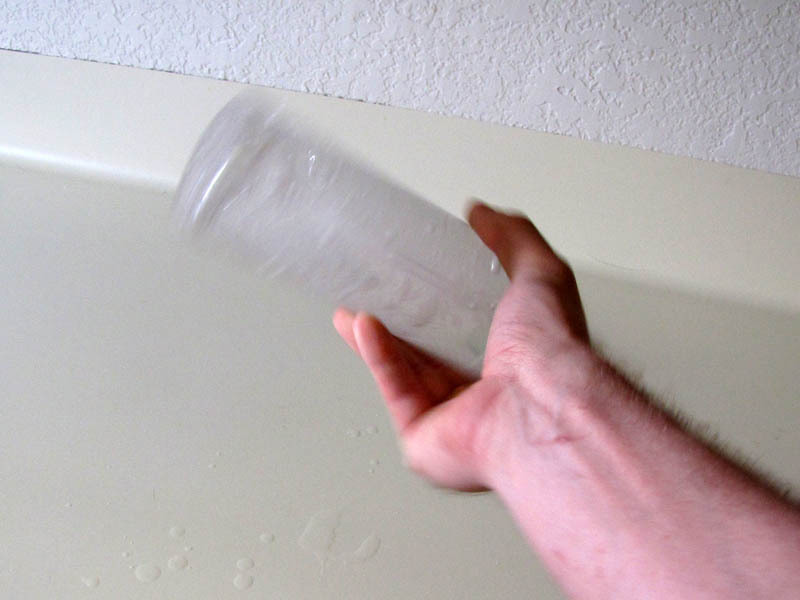
  • Shake the bottle gently until all the ammonium chloride is dissolved.

Step #4: Prepare stamp pad

Next
Chemical WoodburningChemical WoodburningChemical WoodburningChemical Woodburning
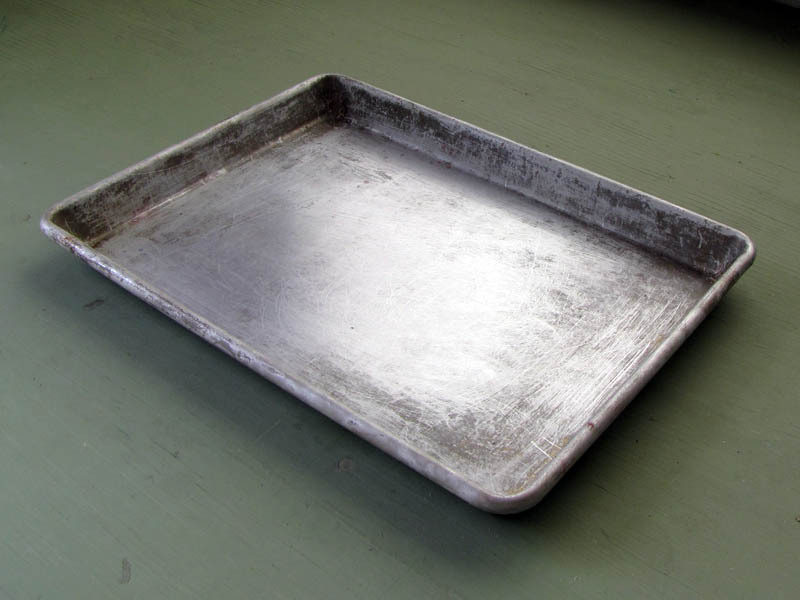
  • Set out a flat, shallow, aluminum or plastic tray that's big enough to accept your stamp.
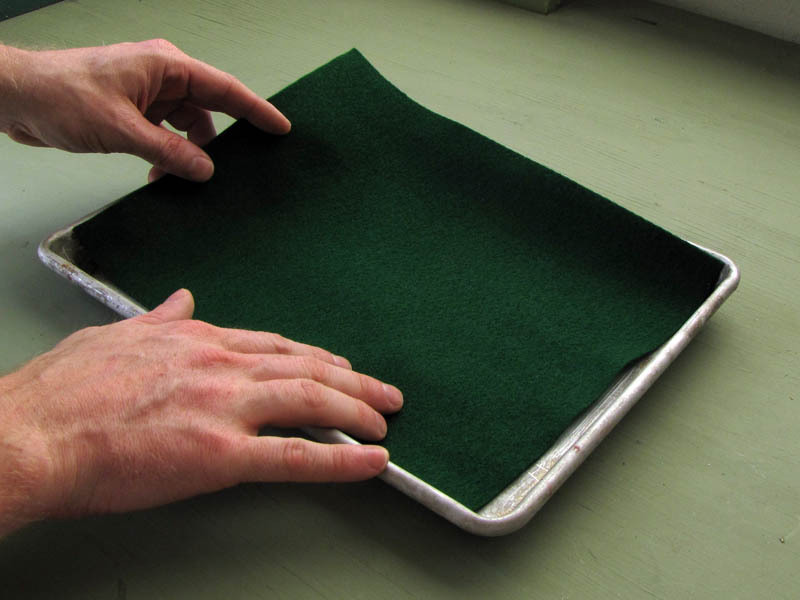
  • Line the tray with felt.
  • Saturate the felt by misting it generously with ammonium chloride "ink" from the spray bottle.

Step #5: Ink and apply stamp

Next
Chemical WoodburningChemical WoodburningChemical Woodburning
  • You'll want to practice this process a couple times on scrap wood before trying it on anything important.
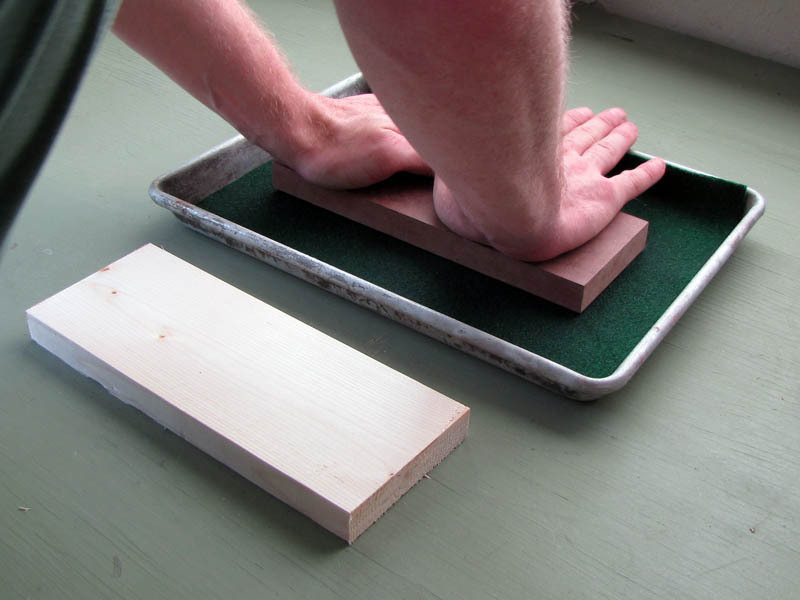
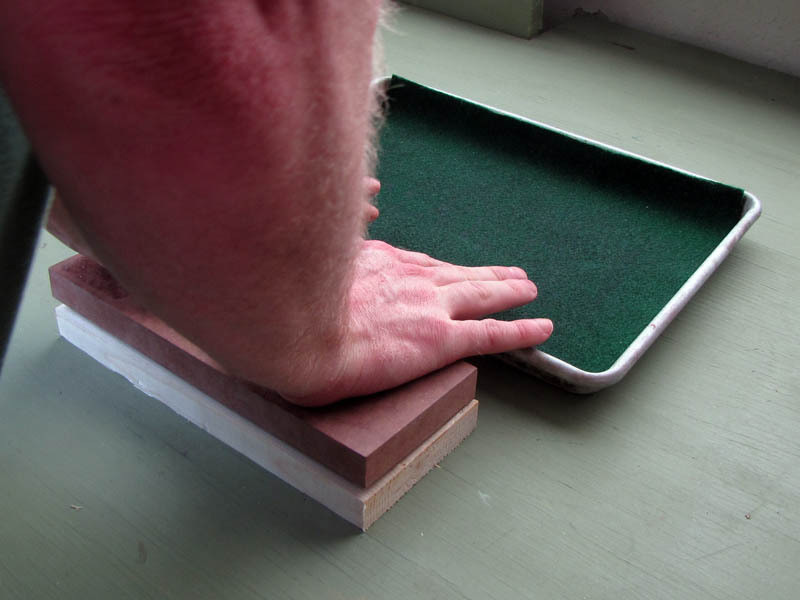
  • Put the stamp onto the felt and press down with some force to "ink" it.
  • Transfer the stamp to the workpiece, line it up carefully, and press down with about the same force to transfer the ink.

Step #6: Apply heat

Chemical WoodburningChemical WoodburningChemical WoodburningChemical Woodburning
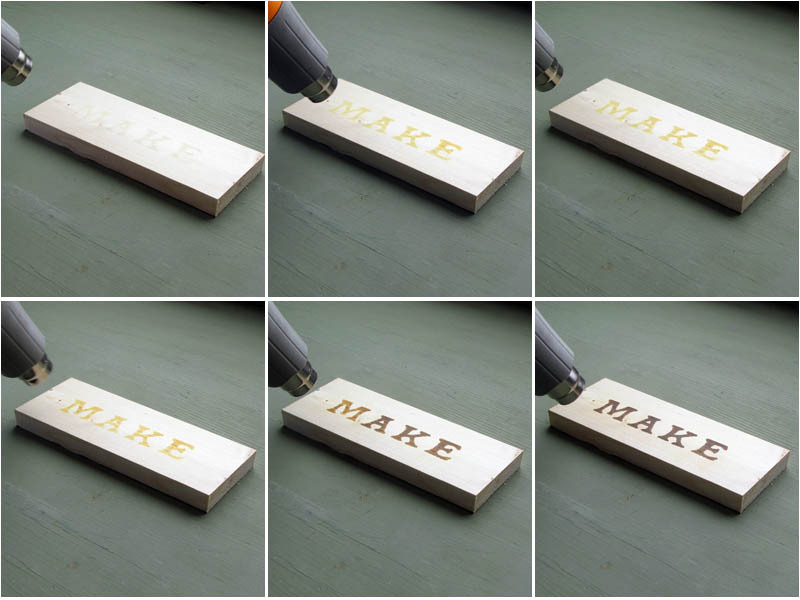
  • If you let the "ink" sit on a wooden surface too long, it may diffuse along the grain and blur the image.
  • Immediately after applying the stamp, pick up the heat gun and begin applying heat. I used the "high" setting on my heat gun.
  • Play the heat gun evenly across the surface of the work. Within a minute or two the inked areas will begin to turn yellow, then brown, then brownish-black.
  • You're done! For all practical purposes, the resulting chemical burn is indistinguishable from a heat burn. It is waterproof and can be finished or otherwise treated like a conventional pyrograph.

Conclusion

The "ink" described here is nothing more than an 80% saturated solution of ammonium chloride. Though it works well enough as described, there's plenty of room for improvement of its handling qualities. Adding egg whites or other thickener, for instance, might improve the handling qualities and/or reduce the tendency of the ink to diffuse along grain lines.

There is, moreover, no reason this material has to be applied with a stamp. It might also be applied with a stencil, a marker, a brush, a printer, or some other means, and each of these might have interesting applications and/or merit adjustments to the properties of the ink itself.

Other substrates might also be tested. Leather, perhaps?

Leave a Reply

Fill in your details below or click an icon to log in:

WordPress.com Logo

You are commenting using your WordPress.com account. Log Out / Change )

Twitter picture

You are commenting using your Twitter account. Log Out / Change )

Facebook photo

You are commenting using your Facebook account. Log Out / Change )

Connecting to %s

%d bloggers like this: